Quest design in World of Warcraft has undergone a massive transformation over the past two decades. What started as simple “kill ten monsters and return” tasks has evolved into elaborate, cinematic experiences that prioritize narrative and player choice. This guide tracks the progression of quest design, examining how the development team shifted from repetitive grind-heavy content to immersive, story-driven adventures that respect the player’s time and intellectual engagement.
The Foundation of Early Questing
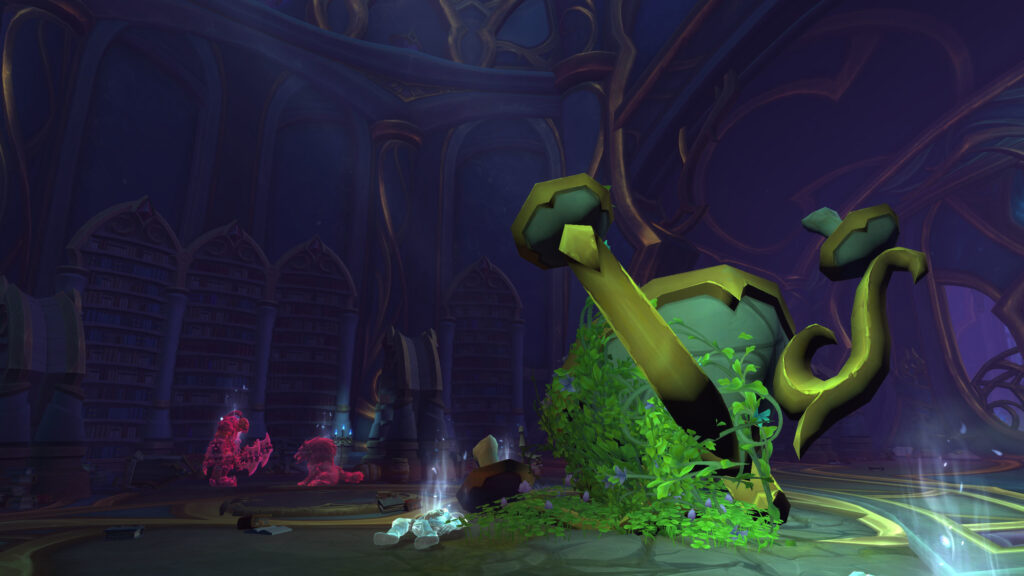
Early quest design was functional. It was built around the need to guide players through the map and teach them basic combat mechanics. The focus was on volume and repetition. These tasks were necessary for the game’s initial launch, providing a consistent loop of rewarding gameplay. While simple, this design ensured that players spent plenty of time exploring the world and interacting with the game’s core systems, which was essential for building the initial player base.
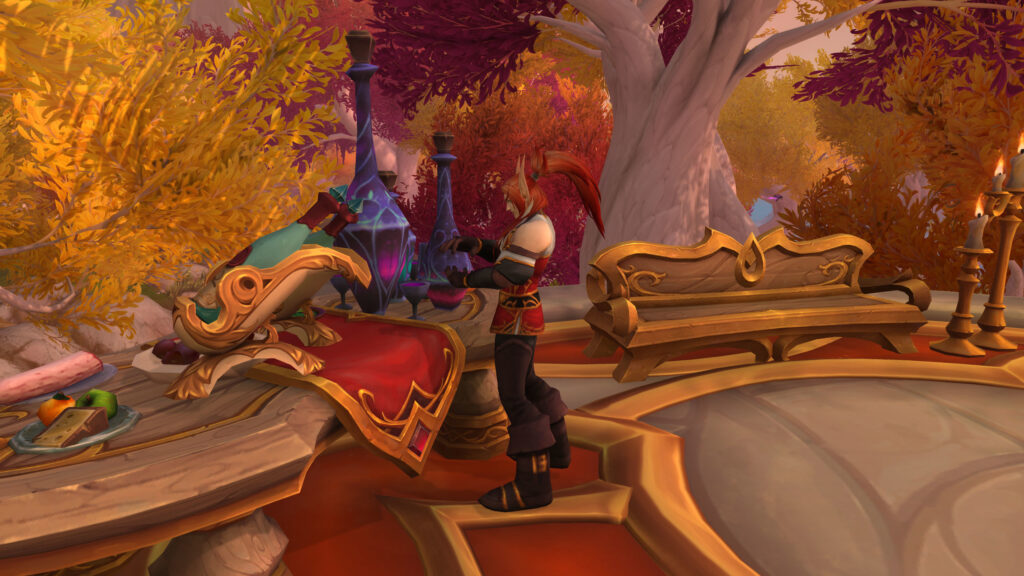
As the game grew, the development team realized that simple tasks were not enough to sustain interest over time. Players needed a reason to care about the outcomes of their actions. The shift toward story-driven quests began by giving NPCs more personality and giving the player more context. Instead of just killing beasts, the player became the hero of a localized conflict, with tasks that directly influenced the state of the surrounding area.
The Shift to Cinematic Storytelling
| Era | Design Focus | Player Experience |
|---|---|---|
| Early Game | Repetitive tasks and world navigation. | Progression through volume and grind. |
| Mid-Expansion | Lore-rich quests with clearer motives. | Investment in local NPCs and stories. |
| Modern Era | Cinematic, non-linear adventures. | Active role in world-altering events. |
Engaging the Player Through Choice
The modern era of quest design emphasizes agency. Players are often presented with quests that offer multiple ways to complete objectives or have branching dialogues that change the outcome. This evolution turns the player from a mere observer into a participant. By allowing for minor deviations in how a story is told, the game creates a more personalized experience, ensuring that players feel like their specific actions have meaning in the wider world of Azeroth.
A Future of Narrative Integration
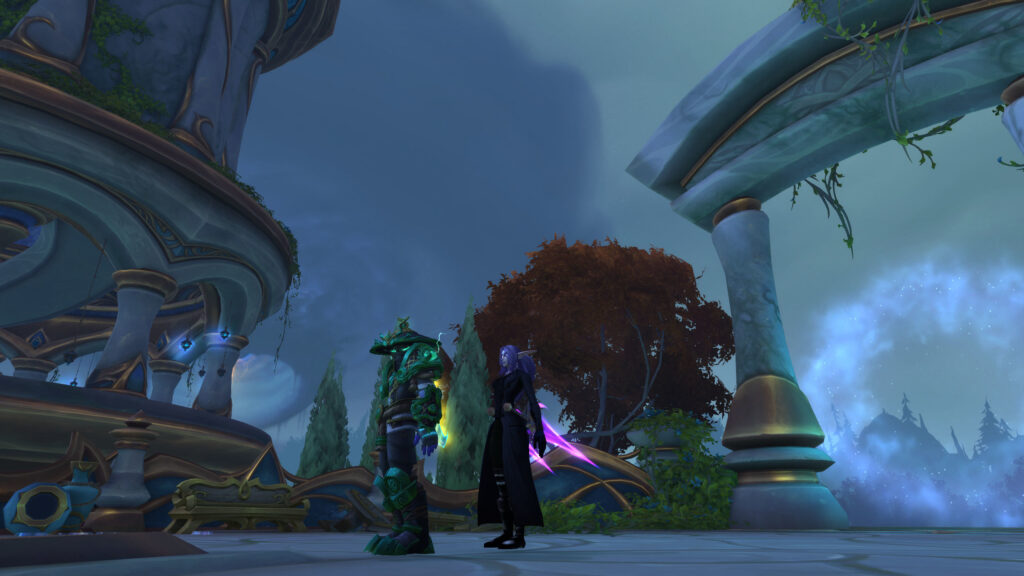
Questing is now the primary vehicle for storytelling, with combat acting as an extension of the narrative rather than the sole purpose. This integration ensures that the gameplay is consistently tied to the expansion’s main plot. By refining how quests are presented, the game has ensured its longevity, proving that even after years of play, there is always a new, engaging story to be told within the world.