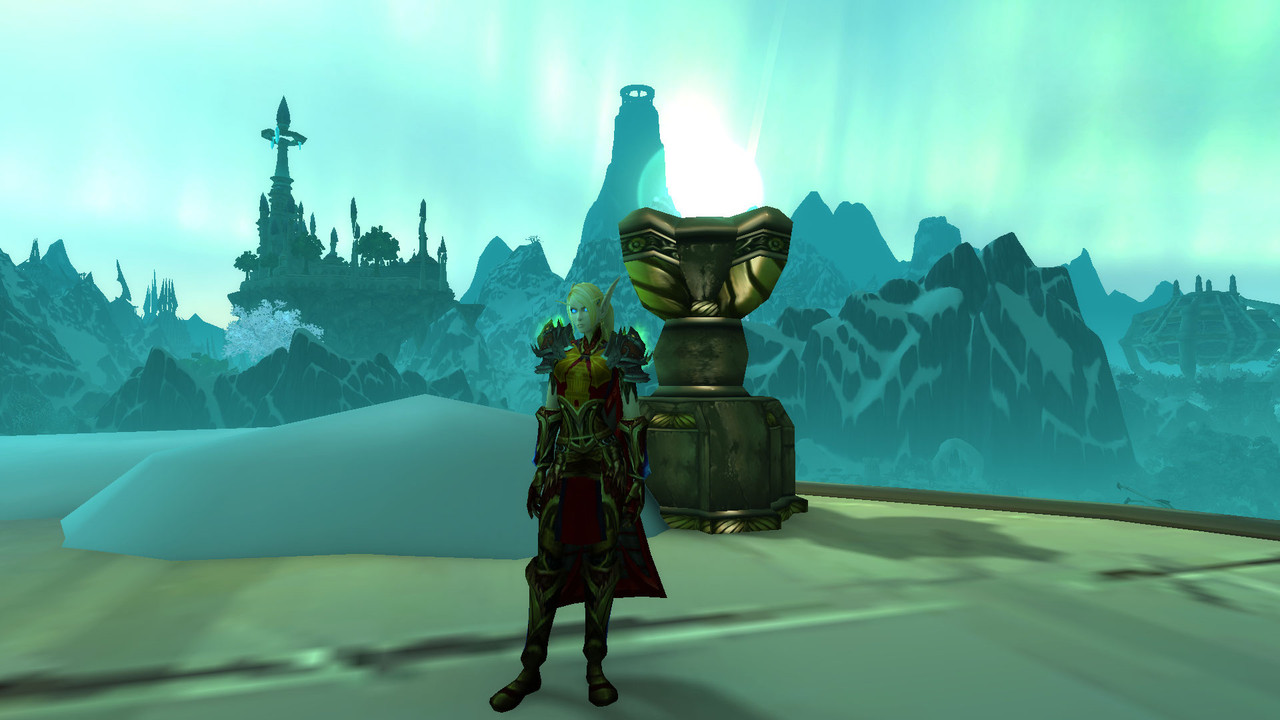
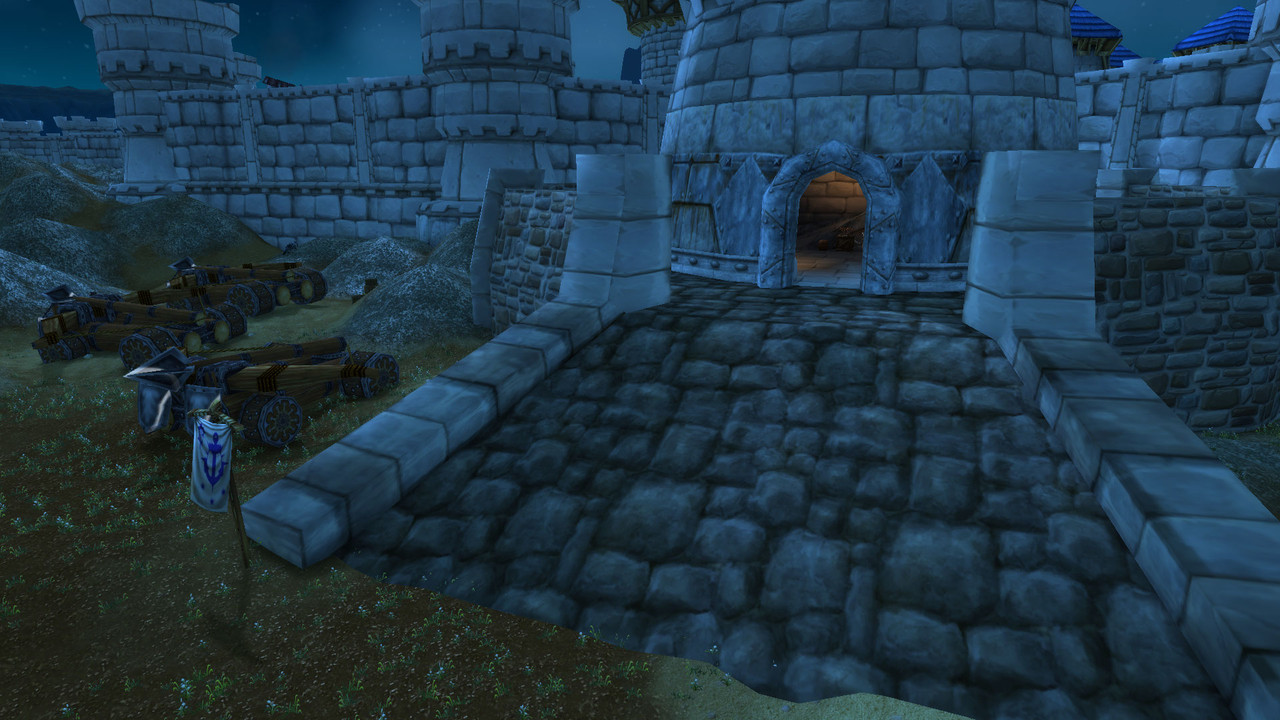
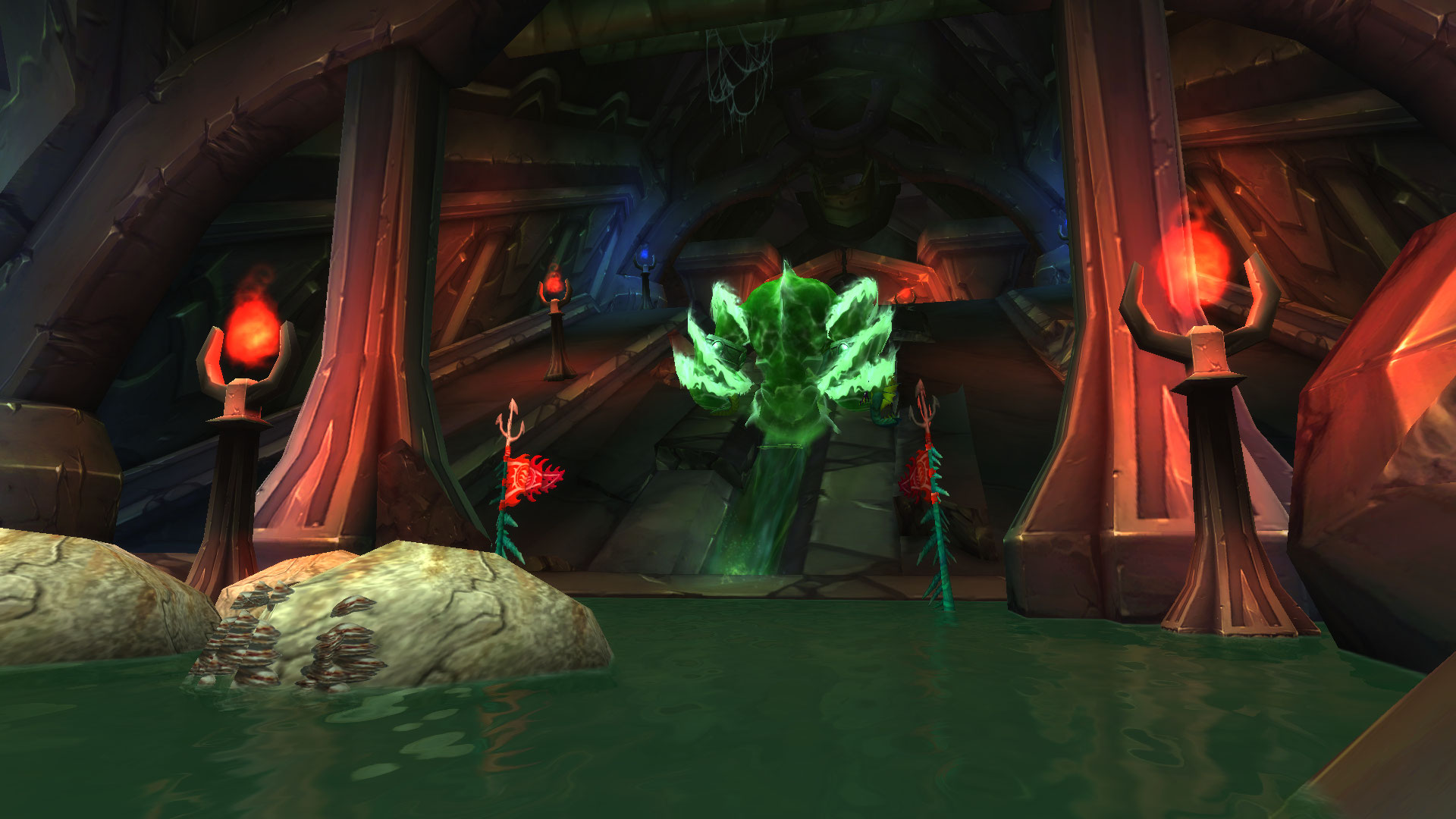
World of Warcraft raids have evolved greatly. Initially, you battled in large, 40-player groups in Classic WoW with basic mechanics focused on teamwork. Over time, raids introduced flexible group sizes, enhanced strategies, and dynamic mechanics requiring coordination and quick decision-making. From The Burning Crusade to Shadowlands, you’ll find increasingly complex encounters, tiered difficulty levels, and innovations like AI-driven mechanics and vertical combat. Keep exploring to discover more about these engaging transformations.
Key Takeaways
- Raids evolved from 40-player groups in Classic WoW to flexible sizes, offering 10, 25, and later, dynamic player numbers.
- Difficulty tiers introduced in Wrath of the Lich King allowed accessibility, with Hard and Heroic Modes setting the stage for Mythic raiding.
- Mists of Pandaria introduced flexible raid sizes, dynamic scaling, and personalized mechanics, balancing challenge with accessibility.
- Visual, audio, and narrative enhancements, particularly in Legion, deepened player engagement through cinematic storytelling and class-specific mechanics.
- Shadowlands introduced AI-driven mechanics and vertical combat, requiring adaptive strategies and enhanced movement coordination.
The Era of Classic WoW: Massive Raids and Basic Mechanics
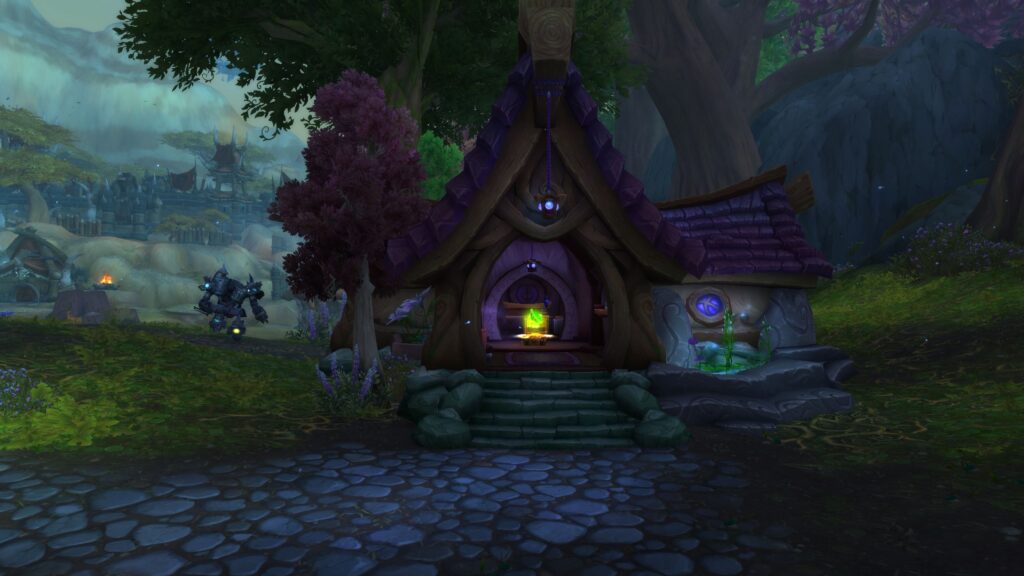
In the era of Classic WoW, raids were defined by their massive 40-player groups, which demanded a high level of coordination and strategy. You faced chaotic encounters that required endurance and precise execution, often set in vast, open environments like Molten Core and Naxxramas. Accessing these raids wasn’t straightforward; you had to undergo long attunement processes to even step foot inside. Gear was vital, with strict checks ensuring you had the necessary equipment to succeed. Combat mechanics were relatively simple, with many bosses relying on tank-and-spank strategies. Warriors primarily served as tanks, while Druids and Priests took on key healing roles. Bosses used basic abilities like Fireball and Knockback, and managing debuffs was essential to minimize damage. Raids required significant time investment, fostering a strong sense of community and teamwork. The environment was challenging, pushing you and your group to improve continuously. Strict class roles in Classic WoW meant that players had to stick to specific duties, like Warriors as tanks, which shaped raid dynamics significantly.
The Burning Crusade: Strategic Gameplay and Mechanical Complexity
While Classic WoW laid the foundation for raid experiences, The Burning Crusade (TBC) elevated the complexity and strategic demands of these encounters. Raids in TBC introduced 10-player and 25-player group sizes, providing flexibility and requiring balanced compositions of tanks, healers, and DPS classes. The tiered progression system marked a shift, presenting phases and tiers with escalating difficulty. Multi-phase encounters became a hallmark, with fights evolving markedly as they progressed, and soft enrage mechanics demanded efficient DPS. Even the Chess Event in Karazhan offered a unique twist, allowing players to control NPC chess pieces, albeit with minimal strategic challenge. Strategic gameplay was paramount, involving precise execution of mechanics like tank swapping and positioning to avoid cone attacks. Legendary weapon mechanics added unique layers, requiring players to adapt quickly. Iconic encounters like Kael’thas Sunstrider and Kil’jaeden tested players’ adaptability, with role-specific mechanics and environmental elements such as gravity laps. Sunwell Plateau, the final raid tier, represented the pinnacle of challenge, underscoring the expansion’s increased mechanical complexity.
Wrath of the Lich King: Tiered Difficulty and Accessibility
As Wrath of the Lich King launched in 2008, it marked a pivotal evolution in World of Warcraft’s raid design, introducing a tiered difficulty system that catered to a diverse player base. This expansion featured both 10 and 25-player raid sizes, providing guilds with flexibility in organizing their teams. The introduction of Hard Modes, such as in Ulduar, offered players the chance to trigger more challenging versions of fights, adding an extra layer of complexity. Encounters like the Yogg-Saron fight introduced innovative mechanics, including the Sanity Mechanic, and multi-phase battles that kept players engaged. The accessibility of raids increased markedly, with multiple difficulty levels allowing more players to experience endgame content. Heroic Mode, debuting in Icecrown Citadel, foreshadowed the future Mythic raiding. Wrath’s blend of accessibility and challenge struck a balance that broadened the appeal of raiding, setting a standard for future expansions. Blizzard’s storytelling focus in raids, which began with Wrath of the Lich King, led to the development of Story Mode in The War Within, further enhancing narrative progression and player experience.
Cataclysm: Scripted Boss Fights and Role Coordination
Cataclysm marked a significant evolution in World of Warcraft’s raid design by introducing highly scripted boss fights that demanded exceptional role coordination. As you faced these encounters, dynamic mechanics required precise execution from DPS, healers, and tanks. Limited attempts per week on certain bosses added prestige and pushed teams to strategize effectively. The introduction of Mythic difficulty, with a fixed 20-player size, emphasized accuracy and teamwork. In this expansion, each raid boss could be defeated once per week per character, ensuring that players were strategic about their attempts and encouraging separate characters for different raid modes.
| Feature | Description |
|---|---|
| Scripted Encounters | Boss mechanics changed dynamically during fights, requiring constant adaptation. |
| Role Coordination | Each role had unique tasks, necessitating cooperation among DPS, healers, and tanks. |
| Limited Attempts | Certain bosses allowed only a few attempts per week, heightening stakes. |
| Dynamic Difficulty | Complex mechanics presented a formidable challenge to raiders. |
| Mythic Difficulty | Set at a 20-player size, focusing on precise execution and coordination. |
Cataclysm’s innovations set a new standard for raid complexity and strategic depth, impacting raiding culture and future expansions.
Mists of Pandaria: Flexible Raid Sizes and Personalized Mechanics
Building upon the intricate raid mechanics introduced in Cataclysm, Mists of Pandaria brought remarkable changes to the raiding landscape with its introduction of flexible raid sizes and personalized mechanics. This expansion welcomed three new raids: Mogu’shan Vaults, Heart of Fear, and Terrace of Endless Spring, with the flexible raid size system debuting in Siege of Orgrimmar. This system allowed your raid group to dynamically adjust between 10 and 25 players, making raiding more accessible without the strict roster requirements. Personalized mechanics shifted the focus to individual execution; failing mechanics had direct consequences, demanding personal responsibility. Dynamic scaling guaranteed all group sizes faced appropriate challenges, enhancing engagement and accessibility. Encounters featured complex mechanics, such as absorbing boss abilities and adapting to dynamic platforms, requiring you to stay vigilant. These innovations were well-received, striking a balance between challenge and accessibility, and they influenced future expansions considerably.
Warlords of Draenor: Introduction of Mythic Difficulty and Cinematic Encounters

Warlords of Draenor marked a significant evolution in World of Warcraft’s raiding scene with the introduction of Mythic difficulty, which established a fixed 20-player size as the pinnacle of raiding challenges, offering the highest rewards and prestige. This shift emphasized the importance of coordination and skill, creating a distinct separation from the more flexible Normal and Heroic modes, which accommodated any group size between 10 and 25 players. Each raid difficulty featured its own weekly lockout, allowing you to experience multiple levels of challenge without restriction.
The expansion also enhanced storytelling through cinematic encounters. Raids became more immersive, featuring dynamic environments and role-based mechanics that required precise teamwork among tanks, healers, and DPS. These changes, along with improvements in visual and audio quality, made encounters more engaging. Flexible raid scaling and the reintroduction of traditional loot distribution options further improved accessibility and group dynamics, enriching your overall experience.
Legion: Innovative Encounter Designs and Class Fantasy
In Legion, World of Warcraft introduced class-specific encounter mechanics that required you to leverage your class abilities in unique ways during raids, enhancing both personal and group strategy. The expansion also enriched the immersive narrative elements, with raids like the Emerald Nightmare and Antorus, the Burning Throne, seamlessly integrating the storyline into boss encounters. This focus on class fantasy and storytelling not only deepened your connection to your character but also made each raid feel like a pivotal chapter in the Legion saga.
Class-Specific Encounter Mechanics
Legion introduced a new era of raids in World of Warcraft, where class-specific encounter mechanics took center stage, enhancing both the complexity of the fights and the sense of class fantasy. You had to rely on your class abilities to tackle challenges, reinforcing your role’s importance. These raids tested every role’s unique capabilities, from tanks to DPS and healers, ensuring everyone had an essential part to play. Coordination was key, as you navigated:
- Dynamic environments like shifting arenas
- Personal mechanics that demanded individual precision
- Environmental hazards needing strategic manipulation
- Role-specific challenges requiring teamwork
Enhanced Immersive Narrative Elements
When Legion arrived, it revolutionized World of Warcraft raids by introducing enhanced immersive narrative elements that greatly deepened player engagement with the game’s story and lore. You experienced this through Artifact Weapons, which tied deeply into your class fantasy, making you feel integral to the storyline. Raids became a dynamic spectacle with moving platforms and shifting arenas, pulling you into the heart of Azeroth’s epic battles. Cinematic storytelling in encounters added layers of depth, turning each raid into a pivotal part of the broader narrative.
| Feature | Impact on You |
|---|---|
| Artifact Weapons | Enhanced class fantasy |
| Dynamic Environmental Mechanics | Increased immersion |
| Cinematic Storytelling | Greater narrative involvement |
These innovations kept you invested, ensuring each raid felt essential to the unfolding saga.
Battle for Azeroth: Cross-Faction Raiding and Warfronts
In Battle for Azeroth, cross-faction raiding wasn’t implemented, keeping the traditional faction rivalry intact, which preserved the distinct identities of the Horde and Alliance while fostering community engagement through faction-specific content. Despite the lack of cross-faction raids, Warfronts introduced a new layer of strategic gameplay, where players from the same faction coordinated efforts to secure resources, construct buildings, and strategize combat to dominate the battlefield. This dynamic content not only offered an alternative to traditional raiding but also reinforced faction loyalty, as players collaboratively engaged in large-scale PvPvE battles, enhancing the cooperative aspect within each faction.
Cross-Faction Raiding Benefits
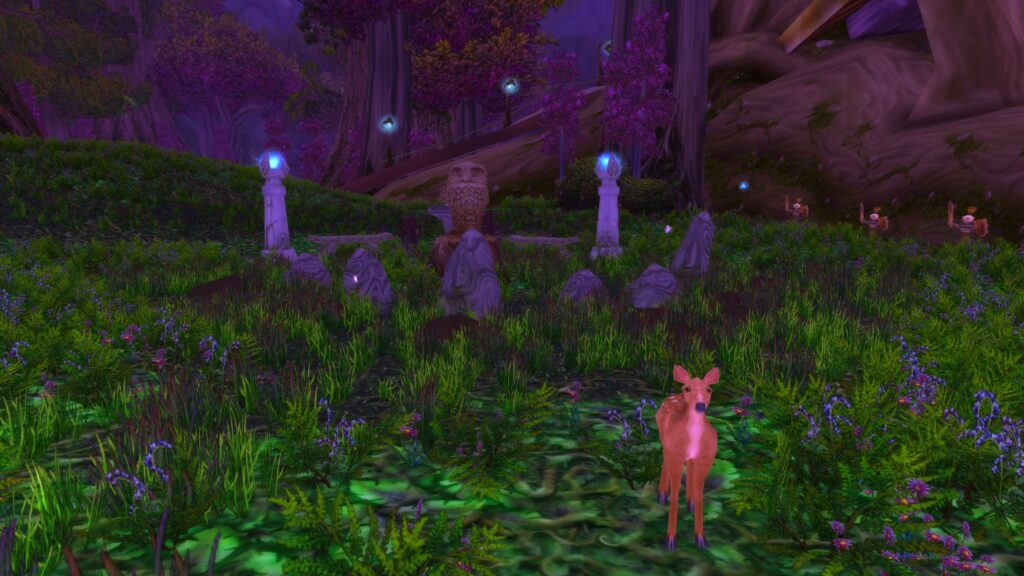
Cross-faction raiding in World of Warcraft, introduced during the Battle for Azeroth expansion, offers considerable benefits to both Alliance and Horde players by allowing them to team up for high-level content such as raids and Mythic dungeons. This feature greatly reduces queue times by merging player pools from both factions. Additionally, it encourages collaboration and community building across faction lines, enhancing player engagement with more diverse group compositions. While there are limitations, such as the inability to share guilds or use cooperative features outside instances, the advantages are clear:
- Population Balance: Helps balance disparities between factions.
- Racial Abilities: Access to a wider range of racial abilities.
- Communication: Party chat enables strategic coordination.
- Organization: Secondary guilds facilitate group management.
Warfront Strategic Elements
Although the Battle for Azeroth expansion introduced cross-faction raiding to World of Warcraft, it also brought another feature that demanded strategic prowess: Warfronts. In Warfronts, your objective is to gather resources and build structures to assemble a formidable force capable of defeating the enemy commander. You’ll need to coordinate with 20 players, managing resources like iron to construct barracks and armories, which are essential for troop recruitment and upgrades. Capturing mines and lumber mills is necessary for resource collection, while deploying troops to strategic points guarantees control over the battlefield. Vehicles from workshops help destroy enemy defenses, and defending captured bases against enemy attacks is critical. Adapting strategies based on changing circumstances and enemy actions is key to success.
Shadowlands and Beyond: AI-Driven Mechanics and Vertical Combat
Shadowlands introduced a new era for WoW raids, characterized by AI-driven mechanics and vertical combat, setting the stage for revolutionary changes in how players engage with the game’s most challenging content. AI-driven mechanics now adapt dynamically to your actions, requiring quick decision-making instead of memorized strategies. Bosses can change their tactics based on your positioning, making every fight unique. Vertical combat adds another layer of complexity, pushing you to shift between different levels during encounters, enhancing your engagement and coordination.
- Dynamic Boss Encounters: Bosses adjust their ability rotations based on your positioning and performance.
- Multi-Level Encounters: Future raids might involve shifting between different floors or levels.
- Mechanics Requiring Vertical Movement: Use grappling hooks or other tools to reposition during fights.
- Enhanced Movement Coordination: Vertical combat tests your raid awareness like never before.
These innovations promise a more interactive and strategic raid experience, challenging you to adapt and excel.
Frequently Asked Questions
How Have Player Social Dynamics Evolved With Raid Changes Over the Years?
Over the years, you’ve seen WoW’s raid changes reshape player social dynamics profoundly. With raid size reductions and flexible raid sizes, you no longer need large guilds, making raiding more accessible. Loot systems evolved to enhance fairness, fostering trust and cooperation, although sometimes sparking disputes. Automated tools have minimized direct communication, impacting community interactions. As guild structures became diverse and flexible, leadership roles adapted, accommodating various playstyles and preferences.
What Impact Have Raid Changes Had on Guild Structures and Management?
Imagine guilds as finely-tuned machines; raid changes have tightened their gears. You’re managing smaller rosters, balancing playtime equity, and facing challenges in leadership integration after mergers. With the evolution of loot systems, trust becomes pivotal, especially with Master Loot. Strategic decision-making is essential, ensuring efficient raid progression. As guilds adapt to these changes, stability can be delicate, pressured by the need for specific roles and frequent re-rolling demands.
How Has Raid Loot Distribution Evolved Since Classic Wow?
Raid loot distribution in WoW has evolved considerably since its Classic days. Initially, loot was distributed using systems like DKP and Master Loot, which often led to disputes and favoritism. The introduction of Group Loot improved transparency by allowing eligible players to roll for items, but conflicts persisted. Today, Personal Loot prevails, automatically assigning loot to players, reducing disputes, and allowing item trading within a limited time, increasing overall player satisfaction.
What Role Do Community-Created Add-Ons Play in Modern Raid Encounters?
You rely on community-created add-ons in modern raid encounters for enhanced coordination and strategy execution. Tools like Deadly Boss Mods provide real-time alerts and timers, helping you manage complex mechanics with ease. Add-ons such as WeakAuras offer customization, allowing you to tailor alerts to specific raid challenges. By automating communication and adapting to new mechanics, these tools improve your team’s performance, making them essential for tackling advanced raids successfully.
How Have Player Expectations for Raids Shifted Over Different Wow Expansions?
You’ve seen player expectations for WoW raids evolve with each expansion. Players now demand more challenging mechanics and dynamic encounters, expecting raids to offer diverse difficulties, from casual to mythic. They anticipate engaging stories and immersive environments, seeking both personal responsibility and teamwork. Gear and skill checks remain essential, yet players also value flexibility and adaptability, desiring content that’s accessible yet rewarding, pushing their skills to the limits while providing meaningful progression.
Conclusion
As you journey through the ever-changing landscape of World of Warcraft raids, you find yourself maneuvering a tapestry woven with intricate mechanics, strategic depth, and evolving challenges. Each expansion, like a chapter in a grand tale, builds upon the last, introducing new layers of complexity and innovation. From colossal battles in Classic to the AI-driven encounters of Shadowlands, WoW raids have transformed, offering players a dynamic and immersive experience that continues to captivate adventurers worldwide.